
Sweet GypMarl
Granular slurry enhancer for grassland
Put back the sulphur and sodium your slurry leaves out.
Sweet GypMarl is a 4-in-1 mineral granule made from three natural minerals. It supplies sulphate, calcium, sodium and magnesium, and adds no nitrogen or potassium.
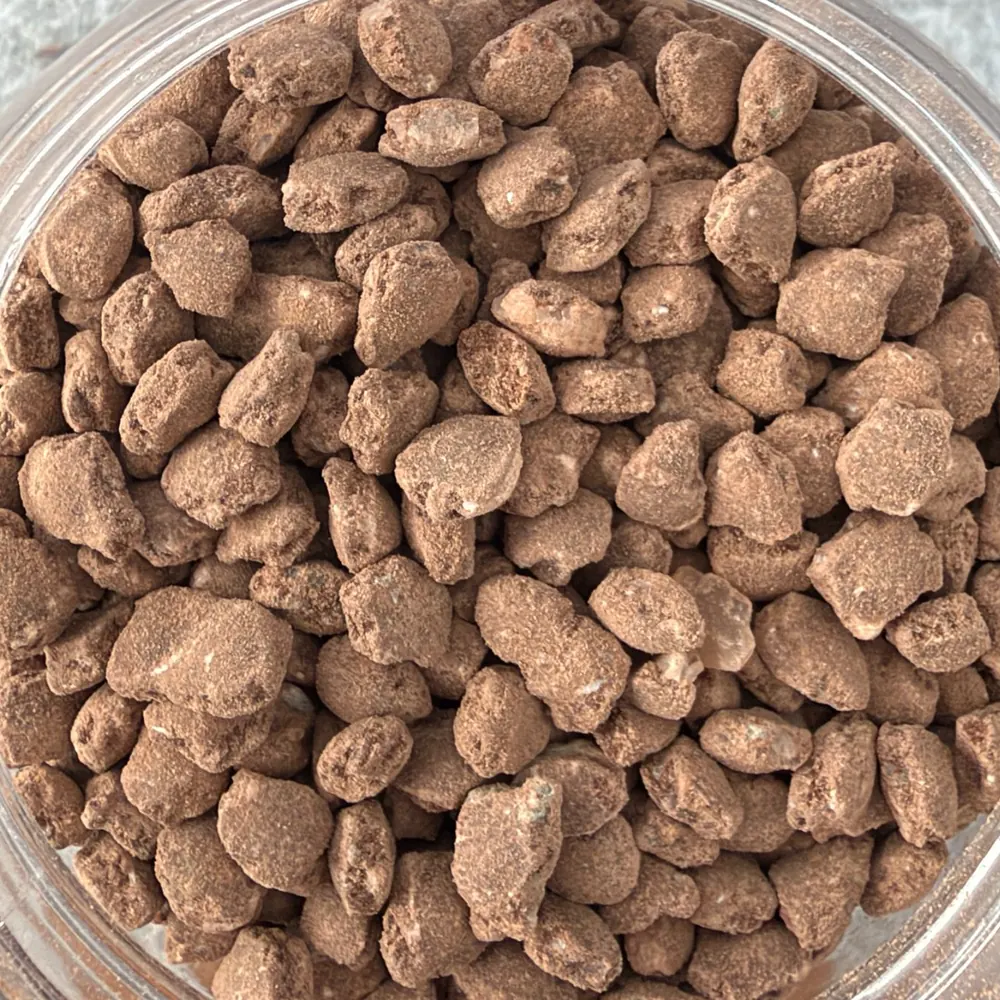
Typical analysis
Why grassland needs it
Slurry feeds the grass nitrogen and potash. It misses two things.
80 to under 10 kg/ha
Atmospheric sulphate deposition has fallen from about 80 kg/ha to under 10 kg/ha. Source: CF Fertilisers.
Rain once supplied much of the sulphur grass needs. It no longer does, so more has to come from what you apply.
Slurry and manure are rich in nitrogen and potassium but short of available sulphate, and they contain very little sodium. Sweet GypMarl supplies both, with no extra potassium or nitrogen on top.
Four nutrients, one granule
What each one does in the sward
Sulphate
Sulphur is essential for dry matter yield and protein in grazed and cut grass. AHDB's RB209 recommends 40 kg SO₃/ha before each silage cut.
Sodium
RB209 notes that sodium can improve the palatability of grass and so increase dry matter intake. Sweet GypMarl adds sodium where herbage and slurry supply little.
Calcium
A 5:1 calcium to magnesium ratio. Soluble calcium supports soil structure, root development and drainage.
Magnesium
Adds magnesium alongside the sulphate and calcium, with no potassium in the granule.
How to use it
150 to 300 kg per hectare, little and often
Apply with the first slurry application in spring, and again after the second cut if the programme calls for it. Sulphate and sodium are mobile and can leach with rainfall, so smaller, regular dressings suit them.
| Rate of Sweet GypMarl | SO₃ | CaO | Na₂O | MgO |
|---|---|---|---|---|
| 150 kg/ha | 24 | 22.5 | 10.5 | 4.5 |
| 200 kg/ha | 32 | 30 | 14 | 6 |
| 250 kg/ha | 40 | 37.5 | 17.5 | 7.5 |
| 300 kg/ha | 48 | 45 | 21 | 9 |
Figures are kg of nutrient supplied per hectare, from the typical analysis. 250 kg/ha supplies 40 kg SO₃/ha, the RB209 rate for one silage cut.
Follow AHDB RB209 and take advice from a FACTS-qualified adviser. A soil or herbage test shows whether your fields are short of sulphur or sodium.
Natural minerals
Three minerals, no synthetic nitrogen
Gypsum and marl are sourced from British Gypsum's Fauld mine in Staffordshire. Each mineral does a job in the granule.
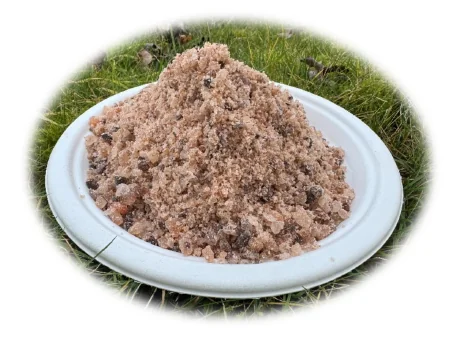
Halite
Rock salt. The source of sodium, and highly soluble so the granule breaks down quickly.
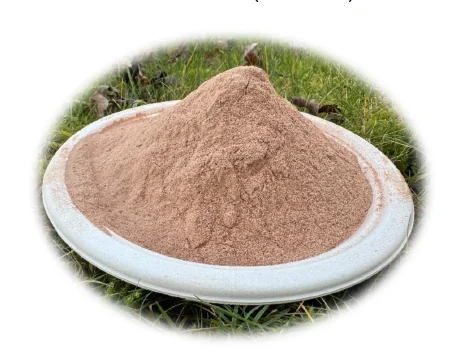
Gypsum
Calcium sulphate. The source of sulphate and calcium, with a longer release profile.
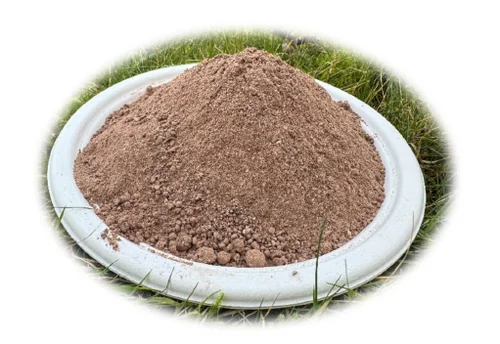
Marl
Clay and carbonate. Gives the granule its earthy colour and binds it strongly.
Made for the spreader
An even, consistent granule
Try it on your own grass
Test one strip against your usual programme
The best proof is your own field. Tell us about your farm and we will suggest a trial strip.
- Treat one strip with Sweet GypMarl.
- Leave the next strip on your usual programme.
- Compare the grass, and the milk if you run dairy.